

WIP Schedules and Your Insurance Program: What Do Underwriters Read Between the Lines?
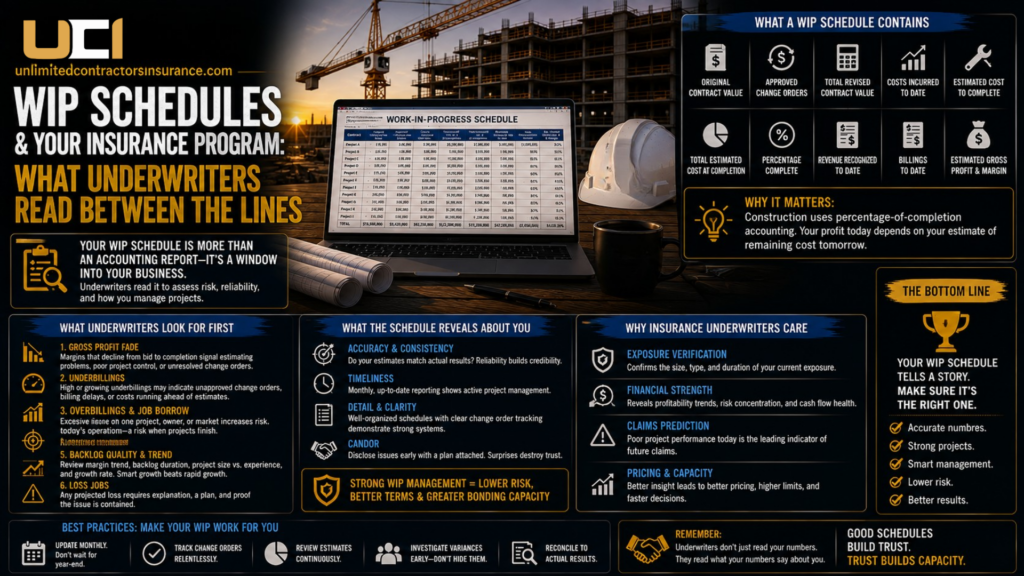
Most contractors treat the work-in-progress schedule as an accounting requirement. Your CPA needs it. Your surety asks for it. You produce it and move on. But in construction WIP schedule underwriting, that document can reveal far more about your business than many contractors realize. Underwriters read it differently. To them, the WIP is the most […]
Contractors Professional and Pollution Liability: The Design-Build Gap
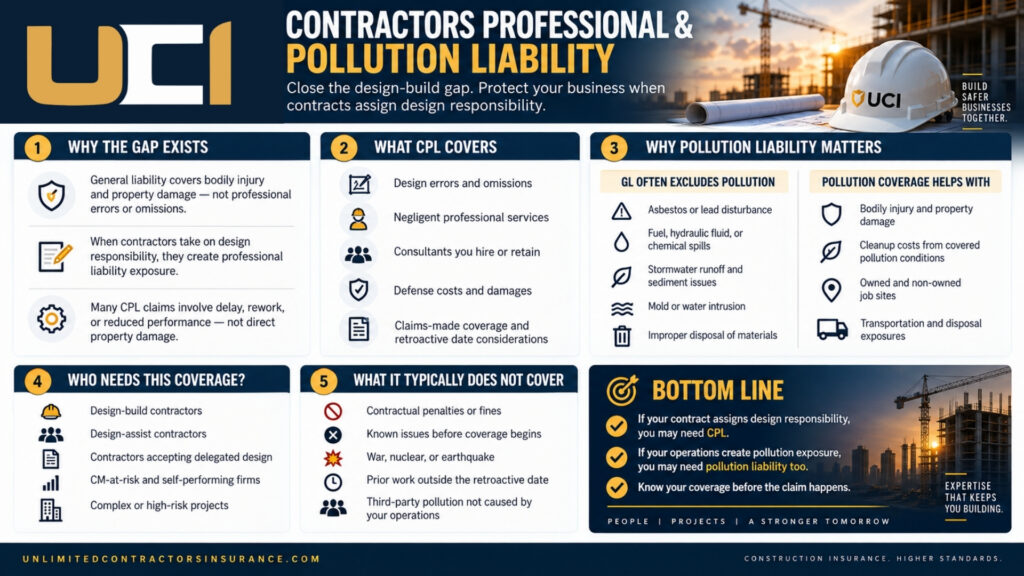
Your general liability policy covers bodily injury and property damage. It does not cover professional negligence. That distinction rarely mattered when contractors built what architects designed. It matters enormously now, because delivery methods have changed. Design-build, design-assist, delegated design, and construction management at risk all place design responsibility on the contractor — and general liability […]
Builders Risk on Complex Projects: LEG Clauses, Soft Costs and Delay in Start-Up
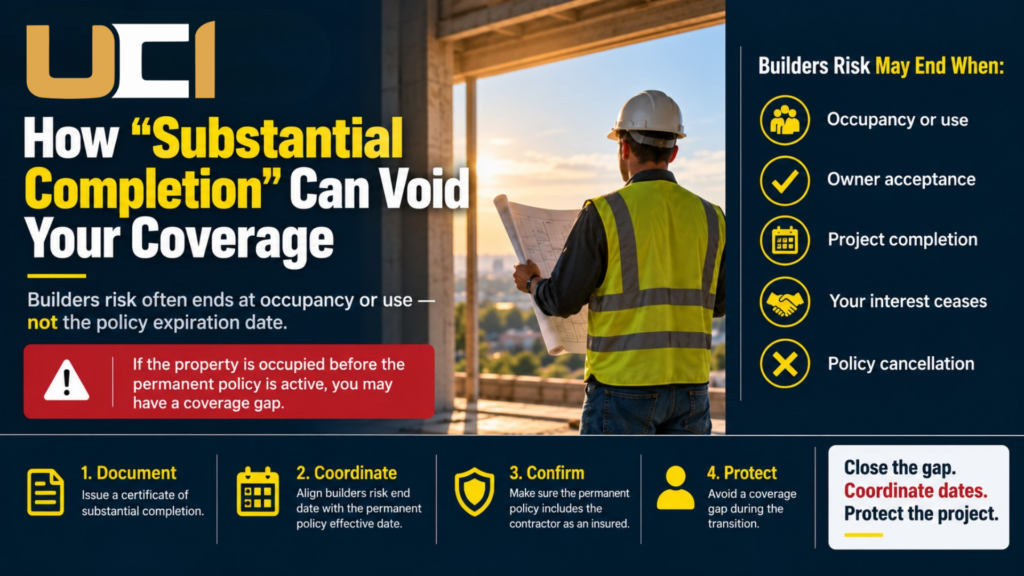
On a straightforward project, builders risk is a simple product. Insure the structure, insure the materials, cover the usual perils, done. On a complex project, it becomes one of the most negotiated placements in the program — and the negotiations that matter most are not about limits or premium. They are about three things. Which […]
What Are Subcontractor Default Insurance vs. Subcontractor Bonds: Which Protects a Large GC?
Every general contractor faces the same exposure. You sign a prime contract promising to deliver a project. Then you hire subcontractors to perform most of the work. If one of them fails, you still owe the owner a finished building. Two products address that risk, and they work in fundamentally different ways. Subcontractor bonds transfer […]
Marketing a Middle-Market Construction Program: The 120-Day Renewal Timeline
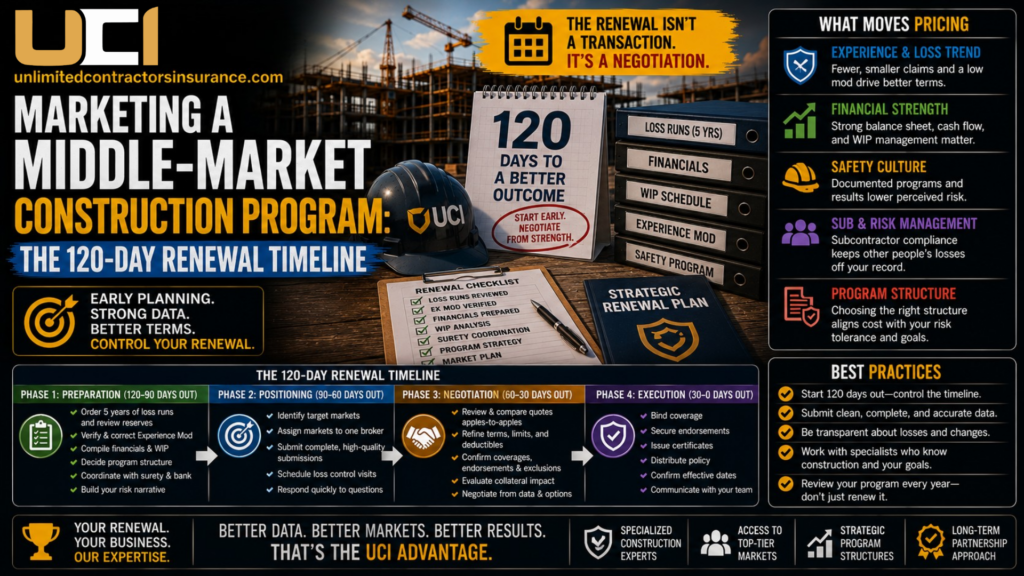
A small contractor’s renewal is a transaction. A middle-market construction program is a negotiation. That distinction changes everything about how you approach it. Underwriters at this level are not rating an application. They are evaluating a business, forming a view on its management, and deciding how much of their capacity to commit. Those decisions take […]
Roofing Insurance Coverage Types for Commercial Roofing Contractors
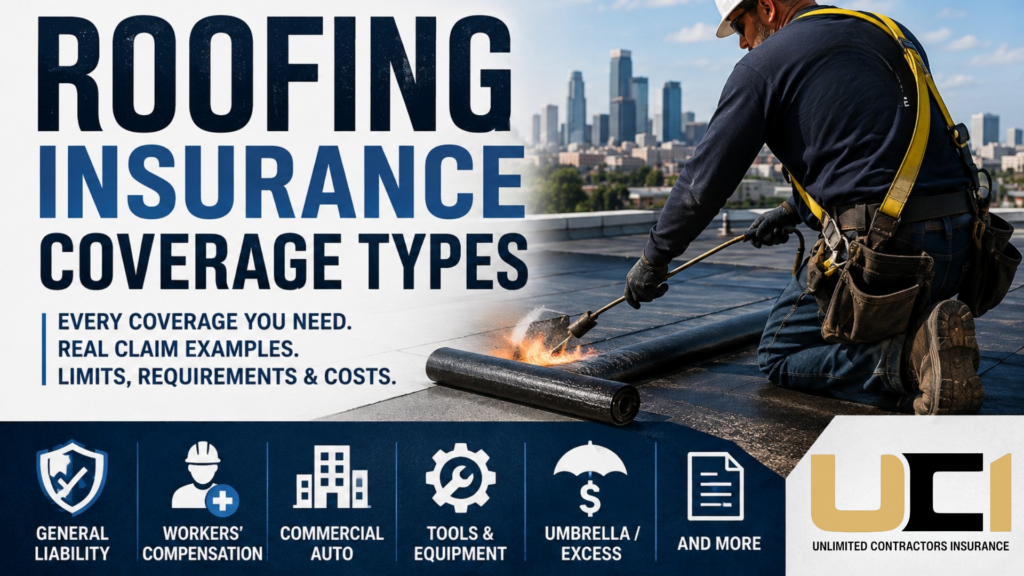
Commercial roofing contractors buy a program, not a policy. A single roofing operation running $5M or more in annual revenue typically carries six core coverage types, and larger operations layer on five or six more that never appear on a small contractor’s certificate. This guide covers every coverage type a commercial roofing contractor needs, what […]
Large Deductible and Loss-Sensitive Programs: When a Contractor Should Make the Switch

Most contractors buy insurance on a guaranteed cost basis. You pay a fixed premium. The carrier pays the claims. Your cost is set before the year begins. That structure works well early on. But it stops working once your losses run better than your rate assumes. At that point, you are funding someone else’s claims. […]
Total Cost of Risk: What $1M+ Contractors Measure Instead of Premium
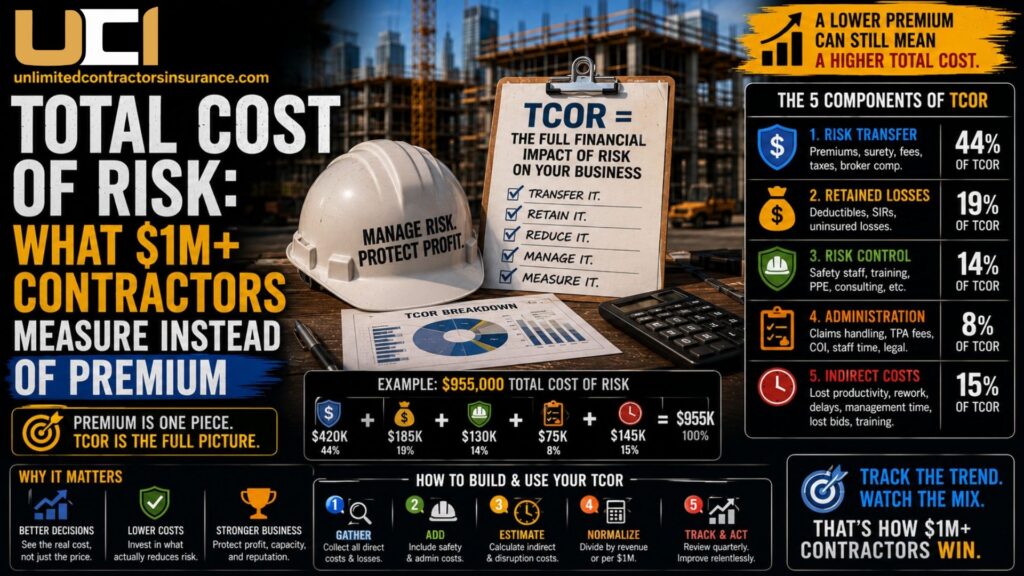
Most contractors judge their insurance program by one number. They look at the premium, compare it to last year, and decide whether they did well. That number is incomplete. For a contractor above roughly $1 million in revenue, premium is only one part of what risk actually costs the business. Deductibles, safety spending, claims administration, […]
Why Big Construction Firms Fail Insurance Reviews
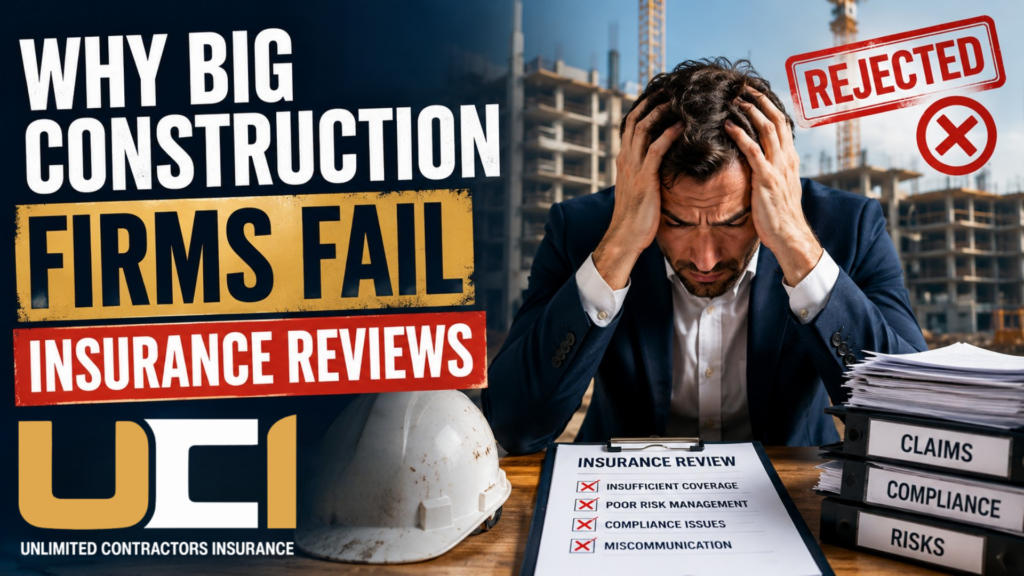
Navigating the labyrinth of insurance reviews can feel like walking a tightrope for big construction firms. One misstep in risk management or communication can lead to costly consequences. You might overlook crucial policy changes or fail to address compliance issues, jeopardizing your projects and reputation. What’s more alarming is how these pitfalls can ripple through […]
When the Storm Hits Mid-Build: What Catastrophe Season Really Costs Commercial Contractors
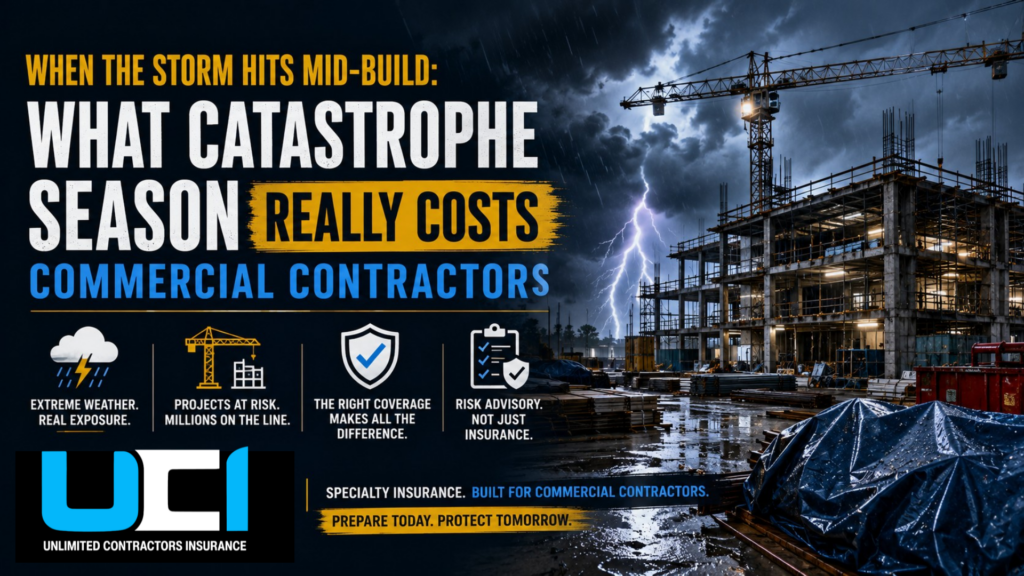
A hailstorm over a finished subdivision is a re-roof. A hurricane’s outer bands over an active commercial jobsite — with the structure dried-in but not sealed, half a million dollars of installed materials exposed, a lender watching the draw schedule, and liquidated damages ticking on the completion date — is a very different kind of […]