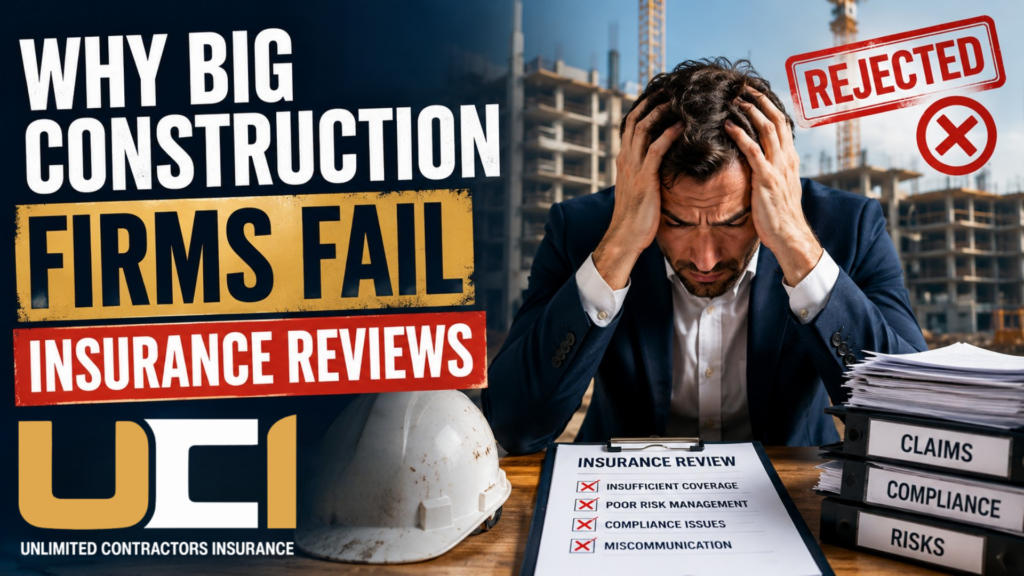
Navigating the labyrinth of insurance reviews can feel like walking a tightrope for big construction firms. One misstep in risk management or communication can lead to costly consequences. You might overlook crucial policy changes or fail to address compliance issues, jeopardizing your projects and reputation. What’s more alarming is how these pitfalls can ripple through your financial stability. Is your firm prepared to face the challenges that lie ahead?
Understanding the Importance of Insurance Reviews in Construction
When you dive into the construction industry, understanding the importance of insurance reviews can make all the difference. Insurance isn’t just a safety net; it’s your shield against unexpected events that could derail your projects.
Regular reviews help you identify gaps in coverage and ensure you’re protected against potential risks. By keeping your policies up to date, you not only safeguard your assets but also build trust with clients and partners.
You’re showing that you take responsibility seriously, which fosters a sense of community within your team and the industry. Embracing these reviews can empower you to make informed decisions, helping your firm thrive while creating a culture of accountability and shared success.
Identifying Common Pitfalls in Insurance Reviews
While navigating insurance reviews, many firms stumble upon common pitfalls that can jeopardize their coverage. Identifying these missteps early can save you time and money. Let’s take a closer look:
| Common Pitfall | Impact on Coverage | Solution |
| Incomplete Documentation | Delays in claims | Keep thorough records |
| Underestimating Risks | Higher premiums | Conduct regular assessments |
| Ignoring Policy Changes | Gaps in coverage | Review policies annually |
| Lack of Communication | Misunderstandings | Engage with your broker |
How Inadequate Risk Management Affects Insurance Outcomes
Inadequate risk management not only limits your firm’s ability to identify potential hazards but also directly impacts your insurance outcomes. When you fail to assess risks thoroughly, insurers perceive your operation as high-risk, driving up premiums and limiting coverage options.
You might find that valuable insights from your team’s experience go unrecognized, leaving you exposed to avoidable claims. Missing proactive safety measures can lead to accidents, resulting in costly insurance claims that could’ve been prevented.
Ultimately, this creates a cycle of increased costs and diminished trust from insurers. By prioritizing effective risk management, you foster a safer work environment and enhance your standing in the insurance market, paving the way for better coverage and more favorable terms.
How Team Miscommunication Leads to Insurance Review Failures
Miscommunication within your team can seriously hinder the insurance review process.
When there’s a lack of clear communication, misaligned objectives, and insufficient information sharing, you risk costly oversights.
To avoid these pitfalls, you need to ensure everyone’s on the same page from the start.
Lack Of Clear Communication
Effective communication is crucial in any project, especially when it comes to navigating insurance reviews for big construction firms. When miscommunication occurs, it creates gaps in understanding that can lead to costly mistakes. Everyone needs to be on the same page, ensuring that crucial details aren’t overlooked.
| Team Member | Responsibility | Communication Method |
| Project Manager | Oversee all aspects | Weekly meetings |
| Safety Officer | Ensure compliance | Daily check-ins |
| Financial Analyst | Budget management | Monthly reports |
| Field Supervisor | On-site coordination | Instant messaging |
When team members don’t communicate effectively, it can derail the entire review process. Prioritizing clear channels fosters teamwork and helps everyone feel connected, minimizing the risk of errors.
Misaligned Team Objectives
When team objectives aren’t aligned, it can create chaos during insurance reviews, leading to significant setbacks. You might find team members pulling in different directions, leaving you feeling frustrated and unsupported. Imagine the ripple effects:
- Divergent Goals: One team aims to cut costs while another focuses on compliance, causing confusion.
- Unclear Responsibilities: Without a shared vision, tasks overlap or get neglected, leaving gaps in crucial information.
- Missed Deadlines: When priorities clash, timelines slip, and your insurance review suffers.
These misalignments not only hinder your progress but also erode trust within the team.
Cultivating a unified purpose fosters collaboration and ensures everyone feels valued, ultimately leading to smoother insurance reviews and a stronger team dynamic.
Inadequate Information Sharing
Inadequate information sharing can derail your insurance review process, leaving important details overlooked. When team members don’t communicate effectively, critical data slips through the cracks.
You might think everyone’s on the same page, but assumptions can lead to gaps in understanding. These gaps can result in misreported project risks, inflated costs, or incorrect coverage needs.
To avoid this, establish clear communication channels within your team. Regular check-ins and collaborative platforms can foster a sense of belonging, ensuring everyone feels included and informed.
Encourage open dialogues where questions are welcomed, and insights are shared. By prioritizing transparency, you’ll enhance team cohesion and improve your chances of a successful insurance review, making sure no vital detail gets missed.
Overcoming Compliance Challenges in Insurance Reviews
When it comes to insurance reviews, you often face a maze of regulatory requirements that can feel overwhelming.
Streamlining your documentation processes can simplify compliance and save you time.
Let’s explore how to tackle these challenges effectively.
Navigating Regulatory Requirements
Although navigating regulatory requirements can seem daunting, understanding the compliance challenges in insurance reviews is essential for big construction firms. Staying compliant not only secures your projects but also fosters trust within your team and clients.
Here are three key steps to help you through the process:
- Stay Informed: Regularly check for updates on local, state, and federal regulations that impact your insurance needs.
- Conduct Training: Ensure your team understands compliance requirements to avoid costly mistakes.
- Engage Experts: Partner with insurance professionals who specialize in construction to guide you through complex regulations.
Streamlining Documentation Processes
Streamlining documentation processes is crucial for big construction firms looking to overcome compliance challenges in insurance reviews.
You’ll want to create a centralized system for all necessary documents, making them easily accessible and organized. This not only saves time but also reduces errors that can lead to costly delays.
Engage your team by providing training on best practices for documentation. Encourage collaboration, so everyone understands their role in maintaining compliance.
Regular audits can help identify gaps, ensuring you stay ahead of requirements. By fostering a culture of accountability, you’ll build a stronger foundation for your projects.
How Poor Documentation Affects Insurance Reviews
While you may not realize it, poor documentation can significantly hinder your insurance reviews. It creates confusion and skepticism among insurers, making it harder for them to trust your claims. When your paperwork is lacking, you risk losing valuable support and coverage.
Consider these three critical elements that poor documentation can impact:
- Claim Validity: Incomplete or incorrect submissions can lead to denied claims, leaving you vulnerable.
- Trustworthiness: Insurers may question your reliability, affecting your premium rates and coverage options.
- Timeliness: Delays in documentation can extend review periods, causing frustration and potential project setbacks.
To foster a strong relationship with your insurer, prioritize clear and thorough documentation. It’s a vital step toward securing the support you need.
Building Strong Relationships With Insurers
Building strong relationships with insurers is key for your construction firm’s success.
By using effective communication strategies and understanding what insurers expect, you can foster trust over time.
These connections not only streamline the insurance review process but also enhance your overall risk management.
Effective Communication Strategies
Effective communication is crucial when it comes to fostering strong relationships with insurers. When you prioritize clear, open dialogue, you pave the way for trust and collaboration.
Here are three effective strategies to enhance your communication:
- Regular Check-Ins: Schedule consistent meetings to discuss project updates and any concerns. This keeps everyone aligned and informed.
- Transparent Documentation: Share detailed reports and data. This transparency helps insurers understand risks and builds credibility.
- Active Listening: Encourage feedback and truly listen to your insurer’s insights. This shows you value their expertise and promotes a partnership mentality.
Understanding Insurer Expectations
To cultivate a strong relationship with your insurer, understanding their expectations is essential. Insurers want transparency, timely communication, and a proactive approach to risk management. When you meet these expectations, you demonstrate reliability and build trust.
| Expectation | Your Action |
| Transparency | Share project details openly |
| Timely Communication | Update insurers on changes quickly |
| Proactive Risk Management | Identify and mitigate potential risks |
Building Trust Over Time
While establishing a solid foundation with your insurer takes time, it’s crucial for fostering a lasting partnership. Building trust isn’t just about signing contracts; it’s about creating a relationship where both parties feel valued.
Here are three key steps to strengthen that bond:
- Regular Communication: Keep the lines open—discuss project updates, concerns, and successes.
- Transparency: Be honest about risks and challenges; it shows integrity and builds confidence.
- Feedback Loop: Ask for input and share your thoughts; collaboration enhances understanding and connection.
When you take these steps, you’re not just a client—you become a trusted partner.
This relationship will ultimately help you navigate the complexities of insurance reviews with greater ease.
Managing Subcontractor Insurance Risks
Managing subcontractor insurance risks requires a proactive approach since these risks can significantly impact your project’s success. You need to ensure each subcontractor carries adequate insurance coverage that aligns with your project requirements.
Start by reviewing their policies thoroughly; don’t hesitate to ask questions if something seems unclear. It’s crucial to develop strong communication with your subcontractors, fostering a sense of community where everyone feels accountable.
Regularly monitor compliance and encourage subcontractors to maintain updated certificates. By creating a culture of safety and responsibility, you not only protect your project but also build trust within your team.
Navigating Project Complexity in Insurance Reviews
As you foster strong communication with subcontractors, project complexity in insurance reviews becomes increasingly apparent. You’ll realize that even small details can impact your coverage significantly.
To navigate this complexity effectively, keep these key points in mind:
- Project Scope: Understand every facet of the project, from materials to timelines, so you can accurately assess risks.
- Subcontractor Roles: Clearly define each subcontractor’s responsibilities to avoid gaps in coverage and ensure everyone’s on the same page.
- Documentation: Maintain thorough records of communications and agreements. This clarity helps during the review process and builds trust among all parties.
Why Training on Risk Management Matters
Effective training on risk management is crucial for big construction firms aiming to mitigate potential setbacks. When you invest in comprehensive training, you empower your team to recognize and address risks proactively.
This shared knowledge fosters a culture of safety and accountability, making everyone feel valued and connected. You’ll notice improved communication across all levels, ensuring that risks are discussed openly and solutions are implemented swiftly.
Plus, a well-trained staff enhances your firm’s reputation with insurers, showcasing your commitment to managing risks effectively. By prioritizing risk management training, you not only protect your projects but also create a supportive environment where everyone feels included in the mission of success.
Together, you can build a stronger, more resilient organization.
Updating Technology for Better Insurance Processes
While navigating the complexities of insurance processes can be daunting, updating your technology can streamline these tasks significantly.
Embracing modern tools not only makes your workflow smoother but also fosters a sense of community among your team.
Here are three ways to enhance your insurance processes:
- Automated Data Entry: Say goodbye to manual errors and hello to efficiency with automated systems that capture essential information.
- Cloud-Based Platforms: Collaborate seamlessly with your team, no matter where you are, ensuring everyone stays in the loop.
- Real-Time Analytics: Gain insights into your insurance needs quickly, allowing you to make informed decisions that benefit your whole firm.
The Importance of Regular Internal Audits
Regular internal audits are crucial for your construction firm to spot weaknesses before they escalate.
They help ensure you meet compliance standards, protecting your business from potential risks.
Identifying Weaknesses Early
Conducting internal audits is crucial for identifying weaknesses early in any construction firm. By regularly evaluating your processes, you create a culture of accountability and improvement.
Here are three key areas to focus on:
- Financial Oversight: Ensure budgets align with project scopes, preventing costly overruns.
- Safety Protocols: Regularly review safety measures to protect your team and minimize liability.
- Resource Management: Assess how materials and labor are utilized, aiming for efficiency.
Ensuring Compliance Standards
To ensure compliance standards are met, internal audits play a vital role in identifying gaps that could lead to legal and operational risks. Regular audits help you and your team stay aligned with industry regulations, fostering a culture of accountability.
When you conduct these assessments, you not only spot potential issues early but also reinforce your commitment to excellence.
Engaging everyone in the process builds a sense of belonging and teamwork. By openly discussing findings, you create an environment where everyone feels valued and empowered to contribute to improvements.
Ultimately, embracing regular internal audits strengthens your firm’s reputation and reliability, making you a trusted partner in the construction industry. Together, you can pave the way for a safer, more compliant future.
Real-World Examples of Insurance Review Failures
While many big construction firms prioritize thorough insurance reviews, some have stumbled, leading to costly consequences. You might be surprised by the real-world examples that showcase these failures:
- A Major Bridge Collapse: A lack of coverage for specific structural failures resulted in a multi-million dollar lawsuit.
- Flood Damage: An oversight in flood insurance left a construction site vulnerable, causing significant financial losses and delays.
- Inadequate General Liability: A project’s lack of sufficient liability coverage led to devastating claims after an accident, affecting the firm’s reputation and finances.
These scenarios highlight the importance of diligent insurance reviews. By learning from these mistakes, you can ensure your firm avoids similar pitfalls and fosters a sense of security and belonging in your industry.
Strategies for Improving Insurance Review Success Rates
Improving your insurance review success rates starts with a proactive approach that prioritizes thoroughness and attention to detail.
First, make sure your team understands the specific requirements of each policy. Hold regular training sessions to keep everyone informed and engaged.
Next, create a checklist to ensure all necessary documents are gathered and reviewed. Encourage open communication among team members; sharing insights can reveal potential gaps.
Additionally, invest in a reliable software tool to streamline the review process, making it easier to track changes and updates.
Lastly, consider seeking feedback from past reviews to identify areas for improvement.
The Future of Insurance Reviews in Construction
As construction firms enhance their insurance review processes, the landscape of insurance reviews is evolving rapidly. You’re likely to see three key trends shaping the future:
- Data-Driven Insights: Advanced analytics will help you predict risks better, allowing for tailored insurance solutions.
- Collaboration Platforms: Digital tools will foster communication between stakeholders, making the review process more inclusive and efficient.
- Sustainability Considerations: As green practices gain importance, insurers will factor sustainability into coverage options, aligning with your values.
Embracing these trends not only strengthens your insurance reviews but also builds a sense of community among industry professionals.
Conclusion
You’d think big construction firms, with their vast resources, would ace insurance reviews effortlessly. Ironically, it’s often the giants that stumble, tripped up by poor risk management and team miscommunication. By recognizing these pitfalls and prioritizing proactive strategies, you can turn potential failures into opportunities for growth. Embracing regular audits and clear communication isn’t just good practice; it’s essential for safeguarding your projects and reputation. After all, it’s the little things that often make the biggest difference.