Expanding your contracting business across multiple states? Make sure your insurance structure is built to support it.
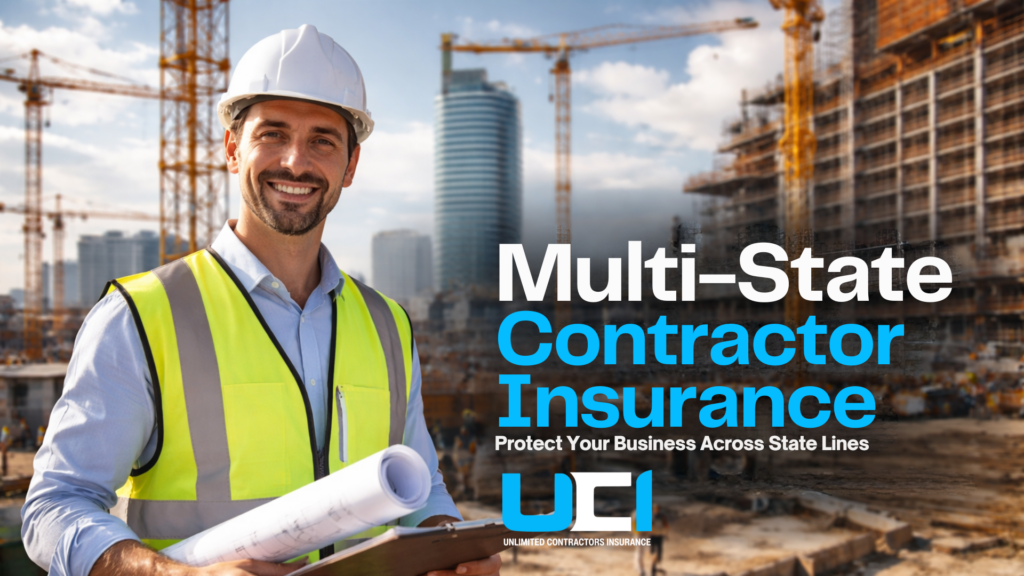
Operating construction projects across state lines creates new opportunities — but it also introduces serious insurance and compliance challenges.
Every state has different requirements for general liability, workers’ compensation, licensing, and certificates of insurance. A policy structure that works in one state may fail to meet jobsite or regulatory requirements in another.
Without the right insurance structure, contractors risk:
• Jobsite rejection due to incorrect insurance
• Compliance violations with state regulators
• Coverage gaps between projects
• Delays caused by endorsement or certificate issues
For contractors working across state lines, insurance must be structured intentionally — not pieced together project by project.
Common Insurance Challenges for Multi-State Contractors
Operating across multiple states means navigating different regulatory environments at the same time.
Some of the most common insurance challenges include:
• Policies written for only one state that do not extend coverage elsewhere
• Workers’ compensation requirements that vary by jurisdiction
• Incorrect class codes creating underwriting or audit problems
• Certificate requirements that differ between municipalities or project owners
Without proper policy structuring, contractors can end up paying for coverage that still fails to meet jobsite requirements.
Working with an insurance broker who understands contractor compliance across multiple states is critical.
Core Insurance Coverage for Multi-State Contractors
Contractors operating across state lines typically need a structured insurance stack designed for both risk protection and compliance.
Coverage Type | What It Protects
General Liability | Third-party injury and property damage claims
Workers’ Compensation | Employee injuries and wage replacement
Commercial Auto | Business vehicles transporting crews and equipment
Builder’s Risk | Structures and materials during construction
Equipment / Inland Marine | Tools and equipment at job sites or in transit
Each policy must be structured to ensure it applies to every state where work is performed.
Workers’ Compensation Requirements Across States
Workers’ compensation laws vary significantly from state to state.
Some states require contractors to carry coverage immediately when hiring employees, while others have different thresholds or exemptions.
Multi-state contractors must determine:
• Whether coverage must be issued in each state
• Which states require separate policies
• How payroll must be reported by state
• How claims are handled across jurisdictions
Failure to structure workers’ compensation correctly can result in state penalties, audits, or stop-work orders.
Why General Liability Insurance Is Essential
For contractors operating in multiple states, general liability insurance is the foundation of jobsite access.
Most project owners and general contractors require proof of:
• $1M / $2M general liability limits
• Additional insured endorsements
• Primary and non-contributory wording
• Waiver of subrogation
• Per-project aggregate limits
Without these endorsements, contractors may be denied access to jobsites or contracts.
General liability is not just protection — it is what allows contractors to start jobs and win contracts.
Commercial Auto Coverage for Contractor Operations
Contractors rely heavily on vehicles to move crews, materials, and equipment between jobsites.
Commercial auto insurance protects against accidents involving company vehicles used for business operations.
Personal auto policies typically exclude business activity, which means accidents during work use may not be covered.
For contractors operating across multiple states, commercial auto coverage should also account for cross-state travel and liability exposure.
Protecting Equipment With Property and Inland Marine Insurance
Tools and equipment move constantly between jobsites, which creates exposure to theft, damage, and loss.
Property and inland marine insurance can cover:
• Tools stolen from job sites
• Equipment damaged in transit
• Machinery breakdown
• Equipment stored off-site
Proper coverage should reflect the actual value of equipment used across projects.
When Professional Liability Insurance May Be Necessary
Professional liability insurance protects contractors against claims involving:
• Design errors
• Engineering mistakes
• Construction management decisions
• Planning or consulting services
Contractors involved in design-build projects or consulting work should strongly consider this coverage.
In some jurisdictions, it may also be required for certain public or municipal projects.
Choosing the Right Insurance Provider
Multi-state contractors benefit from insurance providers who specialize in construction operations.
A qualified insurance partner should offer:
• Experience with contractor-specific class codes
• Fast certificate and endorsement turnaround
• Knowledge of multi-state compliance requirements
• Strong carrier relationships for contractor risk
The wrong provider can lead to coverage gaps, delays, and contract compliance issues.
Understanding State Regulations
Construction regulations differ widely between states.
Contractors working across jurisdictions should stay aware of:
• Licensing requirements
• Insurance mandates
• Labor laws
• Tax obligations
• Municipal project insurance standards
Ignoring state-specific requirements can result in project delays or regulatory penalties.
How Umbrella Insurance Supports Multi-State Contractors
Umbrella insurance provides an additional layer of liability protection above general liability and commercial auto policies.
This additional coverage helps contractors:
• Increase liability limits across multiple projects
• Protect against large claims or lawsuits
• Meet higher insurance requirements for major contracts
Umbrella coverage is often a cost-effective way to expand protection without restructuring every individual policy.
Bundling Insurance Policies for Efficiency
Many contractors reduce costs by bundling multiple insurance policies together.
Common bundled policies include:
• General liability
• Workers’ compensation
• Commercial auto
• Equipment coverage
Benefits of bundling include:
• Lower overall premiums
• Simplified policy management
• Faster certificate issuance
• Easier claims coordination
For multi-state contractors managing multiple projects, consolidation can significantly improve operational efficiency.
Subcontractors and Insurance Risk
Subcontractors introduce additional liability exposure that must be managed carefully.
Contractors should require subcontractors to provide:
• Certificates of insurance
• Matching liability limits
• Additional insured endorsements
• Waiver of subrogation when required
Failing to verify subcontractor insurance can expose contractors to major liability claims.
Reviewing Your Insurance Policies Regularly
Contractors operating across multiple states should review their insurance structure regularly.
Important review areas include:
• Coverage limits
• State compliance requirements
• Equipment values
• Payroll estimates
• Subcontractor exposure
Routine reviews help prevent audit surprises and coverage gaps.
Avoiding Common Insurance Mistakes
Contractors working across multiple states often encounter avoidable insurance problems.
Some of the most common include:
• Policies written for only one state
• Incorrect contractor class codes
• Missing endorsements required by contracts
• Failure to verify subcontractor coverage
These mistakes can lead to project delays, denied claims, or failed compliance checks.
Final Thoughts
Multi-state contractors face a more complex insurance environment than single-state operators.
With the right insurance structure in place — including properly written liability policies, workers’ compensation compliance, and coordinated endorsements — contractors can operate across jurisdictions with confidence.
Insurance done correctly isn’t just protection.
For contractors working across multiple states, it’s what allows projects to start, contracts to be signed, and jobsites to stay open.
If your company is expanding into multiple states, make sure your insurance structure is built to support it.