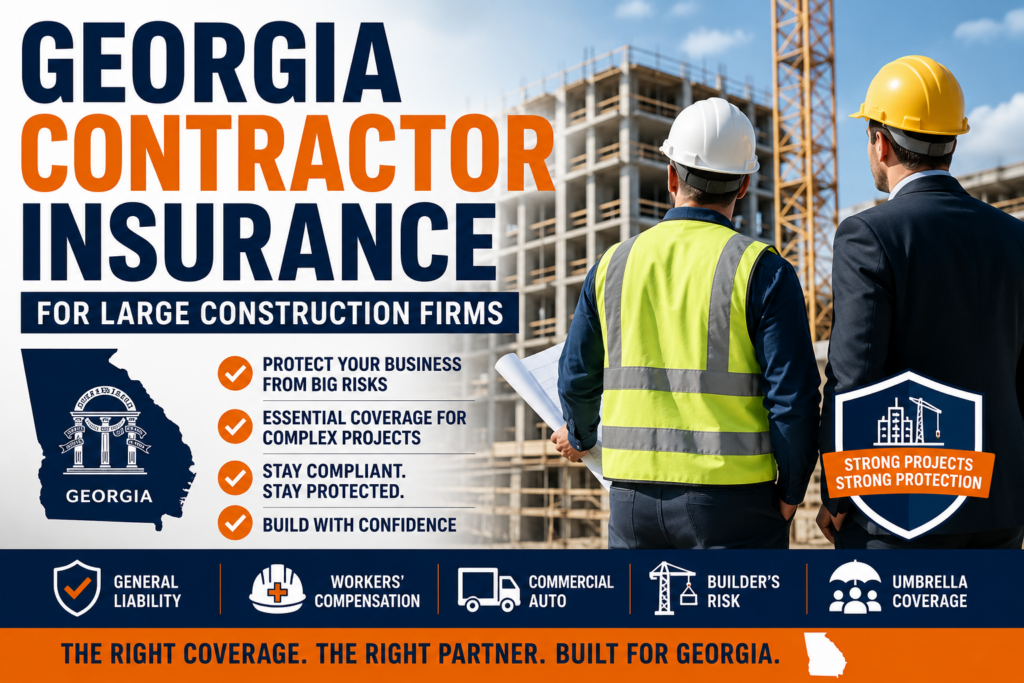
While construction projects can bring substantial rewards, they also expose large firms to significant risks. You need to protect your business with the right contractor insurance in Georgia. Understanding the various coverage options available is crucial for safeguarding your assets and reputation. What are the key policies that can shield you from potential liabilities, and how can you ensure you’re fully compliant with state regulations? Let’s explore these essential aspects further.
Understanding Contractor Insurance Basics
When you dive into the world of contractor insurance, it’s essential to grasp the basics that can protect your business. Understanding general liability insurance is a great starting point; it covers accidents and damages that may occur on the job site.
Next, consider workers’ compensation, which protects your team if they’re injured while working. Don’t overlook commercial auto insurance, especially if you use vehicles for your projects.
Each type of coverage plays a vital role in safeguarding your livelihood and reputation. By getting familiar with these essentials, you’ll feel more confident in making informed decisions.
Building a strong foundation in contractor insurance not only secures your business but also fosters trust within your community. You belong in this industry—protect it wisely!
Why Large Construction Firms Need Specialized Coverage
Large construction firms face unique risks that standard insurance policies often can’t adequately address. You deal with complex projects, multiple subcontractors, and stringent regulatory requirements. This means you need coverage that specifically caters to your operational challenges.
Specialized insurance protects against risks like equipment failure, job site injuries, and contract disputes that can derail your projects. It also helps safeguard your reputation, ensuring you’re covered if something goes wrong.
By investing in tailored coverage, you show your commitment to professionalism and community safety. This not only secures your firm but fosters trust among clients and partners who value reliability.
In the competitive construction landscape, having the right insurance isn’t just smart—it’s essential for your success and peace of mind.
Essential Contractor Insurance Types for Georgia Construction Firms
When you’re running a construction firm in Georgia, understanding essential insurance types is crucial.
You’ll want to consider general liability, workers’ compensation, and commercial auto insurance to protect your business.
Each of these coverage options plays a vital role in safeguarding your finances and ensuring compliance with state requirements.
General Liability Insurance Coverage
General Liability Insurance is a crucial safety net for contractors in Georgia’s construction industry. It protects you from financial losses due to third-party claims, such as bodily injury or property damage.
When clients trust you with their projects, you want to ensure you’re covered if something goes wrong. This insurance not only safeguards your business but also boosts your reputation, showing clients you take responsibility seriously.
In a competitive market, having this coverage can set you apart, making you more appealing to potential clients. It’s about more than just compliance; it’s about creating a sense of security for both you and your clients.
Investing in General Liability Insurance means you’re committed to professionalism and excellence in your work.
Workers’ Compensation Requirements
As a contractor in Georgia, understanding Workers’ Compensation requirements is vital to protecting your business and your employees.
In Georgia, if you have three or more employees, you’re required to carry this insurance. It covers medical bills and lost wages for workers injured on the job, ensuring they receive necessary support.
Not only does this safeguard your team, but it also helps you avoid hefty fines and legal issues. Keeping your coverage up-to-date and compliant with state laws shows your commitment to employee welfare.
This fosters a sense of belonging and trust among your workers, creating a positive work environment. Make sure you’re familiar with the nuances of your policy to maintain a thriving business culture.
Commercial Auto Insurance Needs
Since your construction business relies heavily on vehicles for transporting tools, materials, and workers, having the right commercial auto insurance is essential. This coverage protects your fleet from accidents, theft, and damages, ensuring you can keep operations running smoothly.
Whether you own trucks, vans, or specialized vehicles, you need a policy that fits your unique needs. Consider factors like liability coverage, which safeguards against third-party injuries or property damage.
Collision and comprehensive coverage are also crucial for protecting your vehicles from unexpected incidents. By investing in solid commercial auto insurance, you’re not just protecting your assets; you’re fostering trust among your team and clients.
It’s about belonging to a community that values safety and reliability in the construction industry.
What Is General Liability Insurance?
Understanding the basics of general liability insurance is crucial for any contractor in Georgia. This coverage protects you against claims of bodily injury, property damage, and personal injury that might arise during your projects.
If someone gets hurt on your job site or their property gets damaged, general liability insurance has your back. It not only helps you cover legal fees but also builds trust with clients, showing you take responsibility seriously.
Plus, having this insurance can set you apart in a competitive market. By investing in general liability insurance, you’re not just protecting your business; you’re fostering a sense of security that helps you and your clients feel more at ease throughout the construction process.
Why Workers’ Compensation Is Key to Contractor Insurance
While you focus on delivering high-quality work, workers’ compensation insurance acts as a crucial safety net for your contracting business. This coverage protects both you and your employees in case of injuries on the job.
Accidents can happen, and without this insurance, you risk facing hefty medical bills and legal fees that could jeopardize your firm. By investing in workers’ compensation, you foster a culture of safety and trust, showing your team you genuinely care about their well-being.
Plus, having this protection enhances your reputation in the industry, making you a more attractive partner for larger projects. Ultimately, it’s not just about compliance; it’s about creating a supportive environment where everyone feels valued and secure.
Commercial Auto Insurance Essentials for Construction
Commercial auto insurance is a vital component of your construction business, ensuring that your vehicles and drivers are protected on the road. With your team often on the move, it’s essential to cover all your vehicles, from trucks to vans, against accidents and damages.
This coverage not only protects your assets but also keeps your reputation intact, as reliable transportation is crucial in meeting project deadlines.
Additionally, consider liability coverage for any damages or injuries that might occur during operations. You’ll want to choose a policy that fits your specific needs, helping you feel secure while you focus on what matters most—getting the job done and building strong relationships within your community.
Investing in this insurance fosters trust and professionalism.
How Professional Liability Insurance Safeguards Your Firm
Every contractor knows that mistakes can happen, even with the best intentions. That’s where professional liability insurance steps in, acting as your safety net. It protects your firm from claims related to negligence, errors, or omissions in your work.
When a client feels dissatisfied or believes you’ve fallen short, this insurance can cover legal fees and settlements, keeping your reputation intact. You want to focus on building, not worrying about lawsuits or financial strain.
What You Need to Know About Builder’s Risk Insurance
When it comes to protecting your construction projects, builder’s risk insurance is essential.
You’ll want to understand the coverage scope, as it can vary significantly between policies.
Additionally, keep an eye on policy limits to ensure you’re adequately protected against potential losses.
Coverage Scope Explained
Builder’s risk insurance is essential for anyone involved in construction projects, covering the structure and materials while they’re under construction or renovation. Understanding its coverage scope helps you protect your investment and ensures peace of mind.
Here’s what you need to know:
- Property Damage: It covers damage to the building itself, whether from fire, theft, or vandalism.
- Materials and Supplies: All materials stored at the job site are protected, ensuring you won’t lose your investment to unforeseen events.
- Soft Costs: Some policies cover lost income and additional expenses if construction is delayed due to a covered loss.
Policy Limit Considerations
Understanding the policy limits of builder’s risk insurance is crucial, as these limits determine how much coverage you actually have. You need to assess your project’s total value, including materials and labor, to ensure you’re adequately covered. If your policy limit falls short, you could face significant financial loss if something goes wrong.
Consider factors like project duration and potential risks, as they influence the appropriate limit. It’s also wise to review your limits periodically, especially for larger projects.
Working with an insurance agent who understands the construction industry can help you navigate these complexities. You want to feel secure in your coverage, knowing that you’re protected against unexpected events that could impact your bottom line.
The Role of Umbrella Insurance in Your Risk Management Strategy
While you focus on managing your contracting business, it’s crucial to consider how umbrella insurance can enhance your risk management strategy. This additional layer of coverage can protect you when your primary policies fall short, giving you peace of mind.
Here are three key benefits of umbrella insurance:
- Broader Coverage: It extends beyond your general liability and auto insurance, covering unforeseen incidents that may arise on the job site.
- Financial Security: It can help safeguard your assets against large claims or lawsuits, ensuring your business remains secure.
- Enhanced Credibility: Clients often view contractors with robust insurance as more reliable, helping you build trust and potentially win more projects.
Embracing umbrella insurance can truly be a game-changer for your firm.
Choosing Your Coverage Limits
How do you determine the right coverage limits for your contractor insurance? Start by assessing the scale of your projects and potential risks.
Consider factors like the size of your contracts, the value of equipment, and the number of employees. It’s crucial to have enough coverage to protect your business from financial losses that could arise from accidents or lawsuits.
Engage with your peers in the industry; their experiences can provide valuable insights.
Don’t hesitate to consult with an insurance agent who understands the unique challenges of large construction firms.
Navigating Georgia’s Specific Insurance Regulations
When you’re working as a contractor in Georgia, knowing the specific insurance regulations is crucial.
You need to understand the key state rules, the types of coverage required, and the penalties for non-compliance.
Staying informed helps you avoid costly mistakes and ensures your business runs smoothly.
Key State Regulations
Navigating Georgia’s specific insurance regulations can feel overwhelming, especially if you’re unfamiliar with the requirements.
But don’t worry; you’re not alone. Understanding these key state regulations is crucial for your success:
- Licensing Requirements: Ensure your contractor’s license is up-to-date and compliant with state laws.
- Insurance Minimums: Be aware of the minimum insurance coverage required for general liability and workers’ compensation.
- Claims Process: Familiarize yourself with the claims process in Georgia to handle any issues efficiently.
Required Coverage Types
Understanding the required coverage types is vital for your success in Georgia’s contracting landscape.
You’ll need general liability insurance to protect against claims of property damage or bodily injury. Workers’ compensation is also essential, ensuring your employees are covered in case of workplace injuries.
Don’t overlook commercial auto insurance if you use vehicles for your projects; it safeguards against accidents and liabilities. Additionally, consider builder’s risk insurance to cover your construction projects from unforeseen events like theft or weather damage.
Each of these coverage types plays a crucial role in safeguarding your business and fostering trust among clients. By meeting these requirements, you position yourself as a responsible contractor in the community.
Compliance and Penalties
While it might seem straightforward, complying with Georgia’s insurance regulations can be complex and demanding.
You’ve got to stay informed and proactive to avoid penalties that could hurt your business. Here are three key areas to keep in mind:
- Licensing Requirements: Ensure that all your contractors and subcontractors hold the necessary licenses.
- Insurance Limits: Be aware of the minimum coverage limits for general liability and workers’ compensation, as these can vary.
- Documentation: Keep accurate records of your insurance policies and any claims.
How to Assess Your Insurance Needs
Assessing your insurance needs is crucial for protecting your business and ensuring compliance with state regulations. Start by evaluating the specific risks your projects face, including liability, property damage, and worker injuries. Then, consider the coverage types that align with these risks.
| Risk Type | Coverage Needed | Importance |
| General Liability | Liability Insurance | Protects from claims |
| Property Damage | Property Insurance | Covers equipment loss |
| Workers’ Compensation | Workers’ Comp Insurance | Safeguards employees |
Don’t forget to consult with an insurance professional who understands the construction industry. This way, you can tailor your coverage effectively, creating a safety net that supports your firm’s success and growth.
Common Mistakes to Avoid When Selecting Insurance
When selecting insurance, you can’t afford to overlook essential coverage requirements.
Ignoring policy exclusions can leave you vulnerable, and failing to compare quotes might cost you more than necessary.
Stay informed to make the best choice for your contractor business.
Overlooking Coverage Requirements
Many contractors underestimate the importance of understanding coverage requirements, which can lead to costly mistakes down the line.
Failing to grasp these essentials can leave you exposed and vulnerable. Here are three common pitfalls to avoid:
- Ignoring State Regulations: Each state has specific insurance mandates. Make sure you’re compliant to avoid penalties.
- Overlooking Project-Specific Needs: Different projects may require unique coverage. Assess each job to ensure you have the right protections.
- Neglecting to Review Policies Regularly: Policies can change, and so can your business. Regularly review your coverage to adapt to new risks.
Ignoring Policy Exclusions
Understanding coverage requirements is just the beginning; ignoring policy exclusions can lead to significant gaps in your protection.
When you select insurance, it’s crucial to carefully read and understand these exclusions. They often outline situations or types of damage that aren’t covered, which can leave you vulnerable during a claim.
For instance, if you overlook exclusions related to subcontractor work or specific project types, you may find yourself facing financial burdens that could’ve been avoided.
Make sure to ask your insurance agent about any exclusions that might affect your business. This way, you can choose a policy that truly meets your needs and gives you peace of mind, knowing you’re part of a community that prioritizes solid protection.
Failing To Compare Quotes
Failing to compare quotes can cost you more than just money; it can leave you with inadequate coverage. In the competitive world of construction, every detail matters. Here’s why you shouldn’t skip this crucial step:
- Understanding Coverage Options: Each insurer offers different policies. Comparing quotes helps you identify which options best fit your specific needs.
- Identifying Hidden Costs: Some quotes may seem cheaper at first glance but include hidden fees or less comprehensive coverage.
- Getting the Best Value: By shopping around, you not only find competitive rates but also ensure you’re protected against potential risks.
Taking the time to compare quotes fosters a sense of community among contractors, ensuring you’re making informed decisions that benefit you and your team.
How Can You File a Claim Effectively?
How can you ensure your claim is processed smoothly? Start by gathering all necessary documentation, like contracts, invoices, and incident reports. Make sure to take clear photos of any damage, as these can support your case.
Next, notify your insurance provider promptly; they appreciate quick communication. When filling out the claim form, be honest and detailed—accuracy helps avoid delays.
If you have questions, don’t hesitate to reach out to your insurer; they’re there to help. Keep track of your claim’s progress and follow up regularly. Connecting with your agent can make you feel supported throughout this process.
Emerging Trends in Contractor Insurance for Georgia Firms
As you navigate the claims process, it’s important to stay informed about the evolving landscape of contractor insurance.
Georgia firms are witnessing several emerging trends that can affect your coverage and business decisions. Here are three key trends to consider:
- Increased Focus on Cybersecurity: With data breaches on the rise, policies now often include cyber liability coverage to protect against digital threats.
- Sustainability Coverage: As green building practices gain traction, insurance products that cover eco-friendly projects are becoming more common.
- Customization: Insurers are offering more tailored policies to meet the unique needs of large construction firms, allowing you to get coverage that truly fits your business.
Staying updated on these trends can help you make informed choices and foster a sense of community within the industry.
Conclusion
In the world of construction, your insurance is like a sturdy scaffold, supporting your project as you reach for the sky. Without it, you risk a precarious fall into uncertainty. By understanding your coverage and avoiding common pitfalls, you build a solid foundation for your business. So, equip yourself with knowledge and the right policies, ensuring your firm stands tall against the storms of risk. With the right protection, you can construct your future with confidence.